The Art of Effective Communication in Everyday Life

Effective communication is a skill that can significantly enhance our personal and professional lives. Whether you are speaking with a friend, presenting an idea at work, or engaging in a casual conversation, the ability to convey your thoughts clearly and listen actively can make all the difference. In this blog post, we will explore the various aspects of effective communication, its importance, and practical tips to improve your skills.
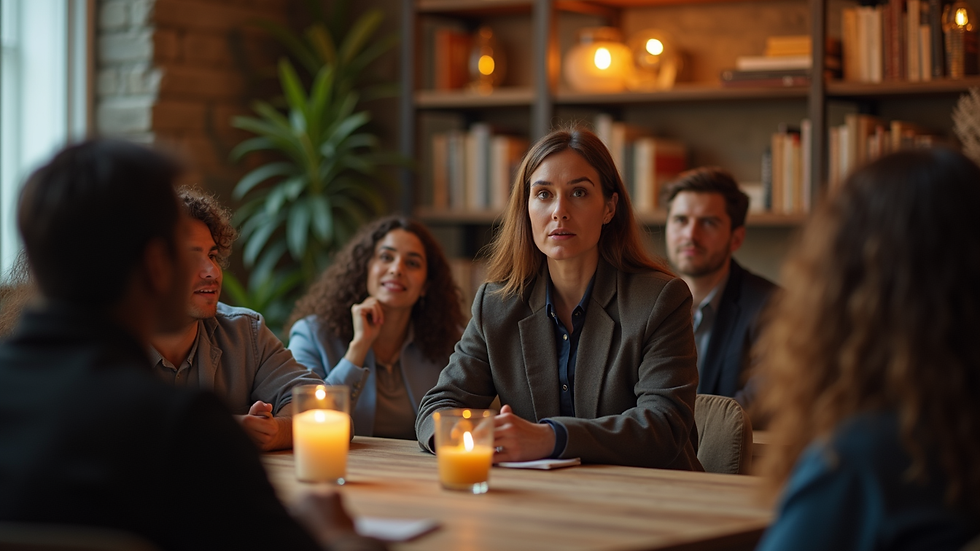
Understanding Communication
Communication is not just about speaking; it encompasses a range of activities that include listening, non-verbal cues, and even written forms. Here are the key components of communication:
Verbal Communication
Verbal communication involves the use of spoken or written words. It is essential to choose your words carefully to ensure your message is understood. Here are some tips:
Be Clear and Concise: Avoid jargon and complex language. Use simple words to express your ideas.
Tone Matters: Your tone can change the meaning of your words. Be mindful of how you sound.
Active Listening: Engage with the speaker by nodding, asking questions, and summarizing what they say.
Non-Verbal Communication
Non-verbal cues can often convey more than words. Body language, facial expressions, and gestures play a crucial role in communication. Consider the following:
Eye Contact: Maintaining eye contact shows confidence and interest.
Posture: An open posture can make you appear approachable and engaged.
Facial Expressions: Ensure your expressions match your words to avoid confusion.
Written Communication
In today's digital age, written communication is more important than ever. Here are some strategies to enhance your writing:
Know Your Audience: Tailor your message to the reader's level of understanding.
Proofread: Always check for spelling and grammatical errors before sending.
Be Direct: Get to the point quickly to hold the reader's attention.
The Importance of Effective Communication
Effective communication is vital for several reasons:
Building Relationships
Good communication fosters trust and understanding in relationships. When you express yourself clearly and listen actively, you create a safe space for open dialogue. This is essential in both personal and professional relationships.
Enhancing Collaboration
In a team setting, effective communication can lead to better collaboration. When team members share ideas and feedback openly, they can work together more efficiently and creatively.
Resolving Conflicts
Misunderstandings often lead to conflicts. By communicating effectively, you can address issues before they escalate. This involves being open to feedback and willing to compromise.
Boosting Confidence
When you communicate effectively, you feel more confident in your interactions. This confidence can lead to better opportunities in both your personal and professional life.
Practical Tips for Improving Communication Skills
Improving your communication skills takes practice and dedication. Here are some actionable tips to help you get started:
Practice Active Listening
Active listening is a crucial component of effective communication. To practice this skill:
Focus on the Speaker: Give them your full attention and avoid distractions.
Reflect Back: Summarize what the speaker has said to ensure understanding.
Ask Open-Ended Questions: Encourage the speaker to elaborate on their thoughts.
Be Mindful of Your Body Language
Your body language can significantly impact how your message is received. To improve your non-verbal communication:
Maintain Eye Contact: This shows that you are engaged and interested.
Use Appropriate Gestures: Hand movements can emphasize your points but avoid overdoing it.
Be Aware of Your Space: Respect personal space to make others feel comfortable.
Tailor Your Message
Consider your audience when communicating. To tailor your message effectively:
Know Your Audience: Understand their background, interests, and level of knowledge.
Adjust Your Language: Use terminology that your audience will understand.
Be Culturally Sensitive: Be aware of cultural differences that may affect communication styles.
Seek Feedback
Feedback is essential for growth. To improve your communication skills:
Ask for Constructive Criticism: Encourage others to provide feedback on your communication style.
Reflect on Feedback: Consider how you can implement suggestions to improve.
Practice Regularly: The more you practice, the more comfortable you will become.
Engage in Public Speaking
Public speaking can enhance your communication skills significantly. To get started:
Join a Speaking Group: Organizations like Toastmasters can provide a supportive environment to practice.
Start Small: Begin by speaking in front of small groups before progressing to larger audiences.
Prepare Thoroughly: Research your topic and practice your delivery to build confidence.
Overcoming Communication Barriers
Despite our best efforts, communication barriers can arise. Here are some common barriers and how to overcome them:
Language Differences
Language barriers can hinder effective communication. To address this:
Use Simple Language: Avoid complex vocabulary when speaking to non-native speakers.
Be Patient: Allow extra time for understanding and clarification.
Use Visual Aids: Diagrams or images can help convey your message more clearly.
Emotional Barriers
Emotions can cloud communication. To manage this:
Stay Calm: Take deep breaths and remain composed during discussions.
Acknowledge Emotions: Recognize when emotions are affecting the conversation and address them.
Focus on Solutions: Shift the conversation towards finding solutions rather than dwelling on problems.
Cultural Differences
Cultural differences can lead to misunderstandings. To navigate this:
Educate Yourself: Learn about different cultures and their communication styles.
Be Respectful: Show respect for cultural differences and adapt your communication accordingly.
Ask Questions: If unsure, ask questions to clarify cultural norms.
The Role of Technology in Communication
Technology has transformed the way we communicate. Here are some ways technology can enhance communication:
Instant Messaging and Email
These tools allow for quick and efficient communication. To use them effectively:
Be Clear and Concise: Keep messages brief and to the point.
Use Proper Etiquette: Be polite and professional in your tone.
Respond Promptly: Timely responses show respect for the other person's time.
Video Conferencing
Video calls have become a popular way to connect. To make the most of video conferencing:
Test Your Equipment: Ensure your camera and microphone are working before the call.
Choose a Quiet Environment: Minimize background noise and distractions.
Engage with Participants: Make eye contact and actively participate in discussions.
Social Media
Social media platforms can facilitate communication but also pose challenges. To communicate effectively on social media:
Be Mindful of Your Tone: Written communication can be easily misinterpreted.
Engage Positively: Respond to comments and messages in a friendly manner.
Respect Privacy: Be cautious about sharing personal information.
Conclusion
Effective communication is a vital skill that can enhance your relationships, boost your confidence, and improve collaboration. By practicing active listening, being mindful of your body language, and tailoring your message to your audience, you can become a more effective communicator. Remember, communication is a two-way street, so be open to feedback and continuously work on improving your skills. Start today, and watch how your interactions transform for the better.
Comentários